Est. 1876
1010 Wien
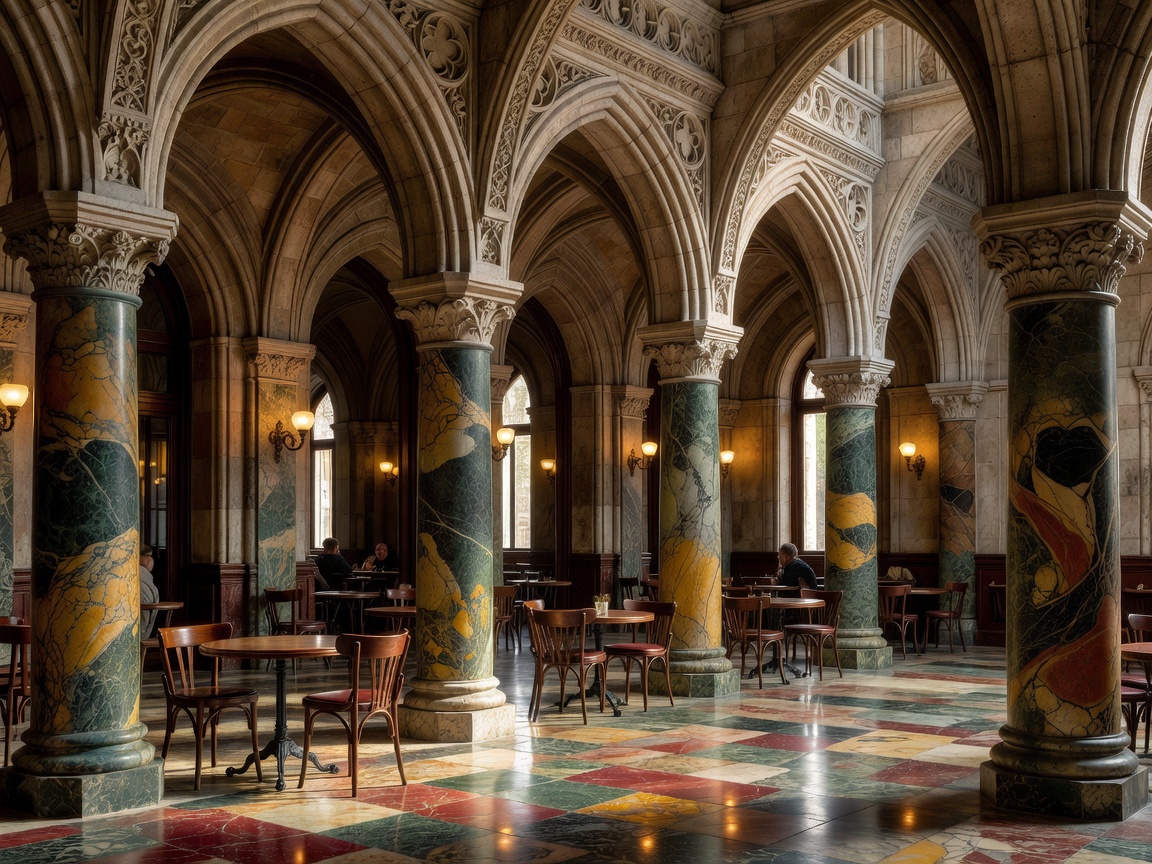
Café Central
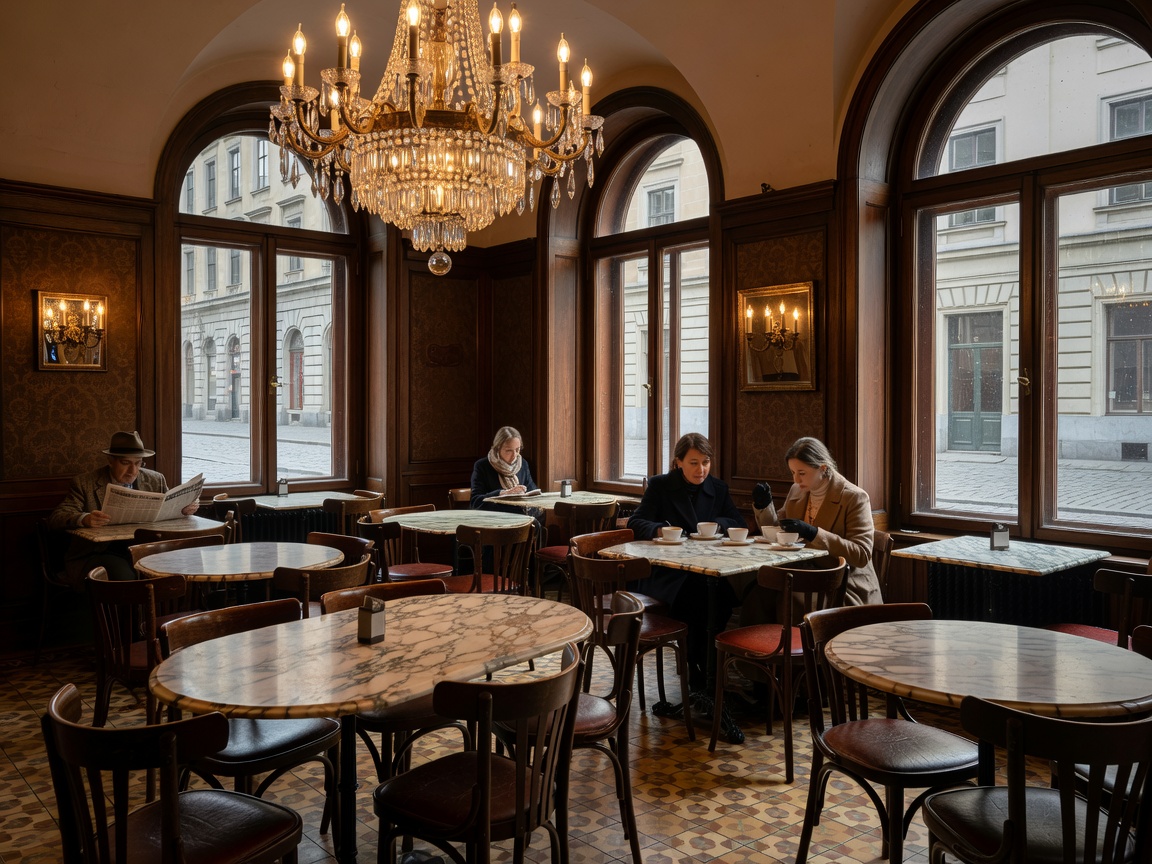
The epicenter of Central European intellectual life, where Peter Altenberg received his mail and Leon Trotsky frequented the chessboard beneath vaulted ceilings.
An opulent digital sanctuary honoring the marble tables, velvet booths, Thonet chairs, and grand intellectual salons of Vienna’s historic Kaffeehaus dynasty.
In October 2011, UNESCO officially designated the Viennese Coffeehouse Culture as "Intangible Cultural Heritage." Unlike contemporary quick-service cafés, the Viennese Kaffeehaus is an institution designed for lingering. For the modest price of a single Melange, guests acquire the right to sit for hours, read international newspapers mounted on bentwood cane holders, play chess, and compose masterpieces.
"The Viennese coffeehouse is an institution of a special kind, not to be compared to any similar institution in the world."— Stefan Zweig, The World of Yesterday
Click any salon card below to open its dedicated historical archive, architectural details, and pastry pedigree.
Est. 1876
1010 Wien
The epicenter of Central European intellectual life, where Peter Altenberg received his mail and Leon Trotsky frequented the chessboard beneath vaulted ceilings.
Est. 1832
Philharmoniker Str.
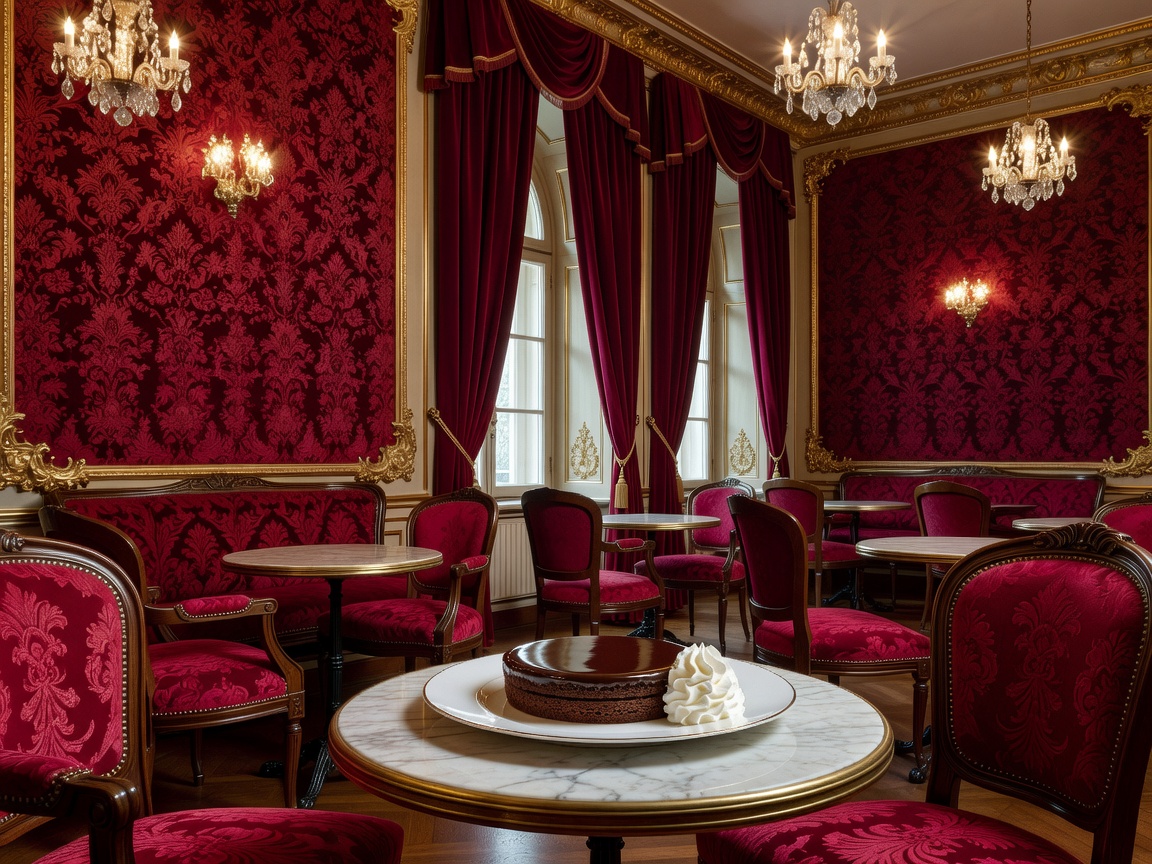
Opulent crimson damask silk wall coverings, crystal chandeliers, and the globally protected culinary secret of Franz Sacher’s dense chocolate masterpiece.
Est. 1880
1060 Mariahilf
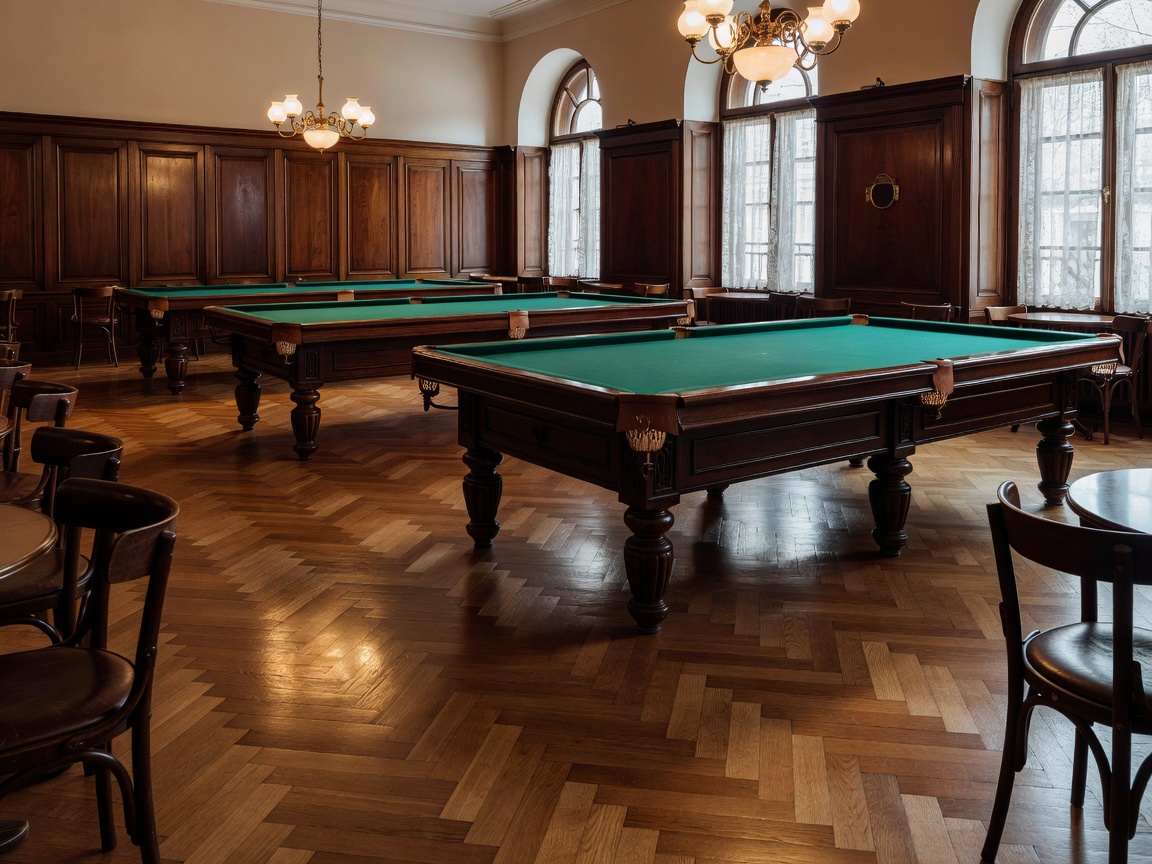
Unchanged since 1880, featuring original carom billiard tables, velvet alcoves, and a tranquil atmosphere beloved by artists, composers, and architects.
Click on any recipe card to open its authentic preparation formula, serving etiquette, and cultural background.
Half single mocha, half warm milk topped with silky milk foam. The cornerstone of the Kaffeehaus.
Click to View Recipe ↗Strong black mocha served in a handled glass, crowned with cold heavy whipped cream and powdered sugar.
Click to View Recipe ↗Double espresso served with hot cherry schnapps or rum, crowned with whipped cream and a cocktail cherry.
Click to View Recipe ↗Double mocha infused with orange liqueur (Cointreau), finished with a generous dollop of whipped cream.
Click to View Recipe ↗Trace how sacks of green beans left by the Ottoman siege transformed into Europe's greatest cultural sanctum.
Following the Battle of Vienna, Georg Franz Kolschitzky is granted imperial permission to open the city's earliest registered coffee establishments after obtaining abandoned Ottoman coffee beans.
Café Krammer introduces daily periodicals and games of carom billiards, transforming the coffeehouse from a drinking stall into a prolonged social retreat.
Women are formally welcomed into the grand Ringstraße cafés, sparking an architectural golden age characterized by plush velvet upholstery, high mirrors, and brass Thonet No. 14 chairs.
The Austrian UNESCO Commission officially enters "Viennese Coffeehouse Culture" into the national register of Intangible Cultural Heritage.
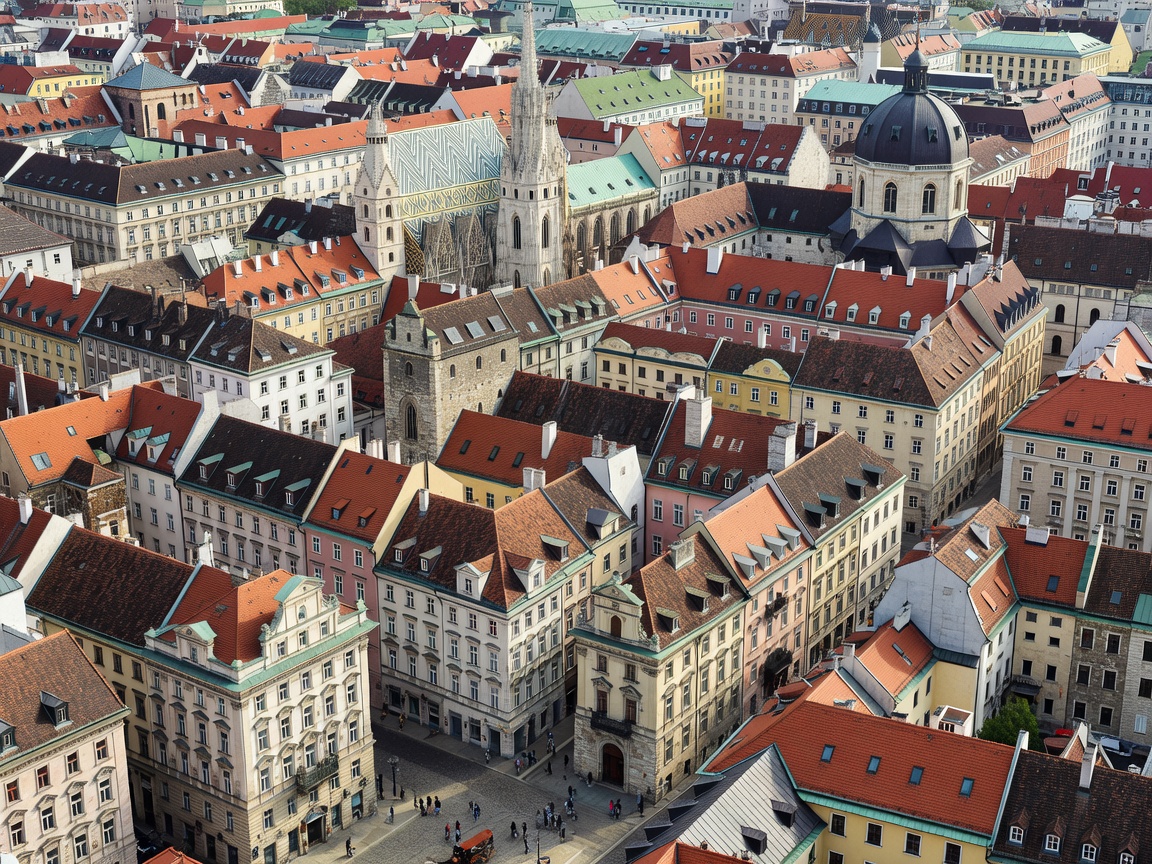
Embark on a walking pilgrimage through Vienna's 1st and 6th Districts. From the bustling marble arcades of Palais Ferstel to the quiet Bohemian corners of Gumpendorfer Straße.
Order a Melange with a fresh Kipferl under the vaulted Venetian nave.
Experience the smoky post-war bohemian intimacy and historic artist autographs.
Savor an authentic slice of Original Sacher-Torte with unsweetened Schlagobers.
Wind down with an Einspänner over a game of classical carom billiards.